

Understanding Your Target Audience and Its Impact on Design and Content
In today’s competitive digital landscape, knowing who your target audience is forms the cornerstone of effective design and content strategy. Grasping the demographic, psychographic, and behavioral traits of your audience not only shapes the aesthetic and functional design of your platform but also determines the messaging and tone used in your content. In this comprehensive post, we will explore how identifying your target audience influences every facet of the creative process and strategic planning, ensuring your product or message resonates deeply and achieves engagement.
What is a Target Audience?
A target audience is a specific group of people you intend to reach with your marketing, products, or content. This group is identified based on shared characteristics such as age, gender, interests, income level, location, behavior patterns, and more. Knowing your target audience helps you personalize and focus your efforts for the highest impact.
Why Defining Your Target Audience Matters
Without a clear understanding of your audience, your messaging can become diluted, your design unfocused, and your overall strategy ineffective. A well-defined target audience:
- Directs the tone and language of your content
- Informs design choices such as colors, fonts, and layout
- Helps prioritize features and functionalities based on user needs
- Improves marketing ROI by focusing on likely customers
- Enhances user experience by addressing specific pain points

Key Factors To Consider When Identifying Your Target Audience
Demographic Information
Demographics are the statistical data about populations and include:
- Age
- Gender
- Income level
- Occupation
- Education level
- Location
For example, a luxury watch brand will typically target affluent adults in urban areas, whereas a gaming app may target younger tech-savvy audiences.
Psychographic Details
This involves understanding your audience’s lifestyle, attitudes, interests, and values. Psychographics help create emotional connections through content that resonates on a deeper level:
- Hobbies and interests
- Values and beliefs
- Personality traits
- Lifestyle choices
Behavioral Insights
Knowing the behaviors and patterns of your audience further refines your approach:
- Buying habits
- Brand loyalty
- Product usage
- Engagement with digital media
How Target Audience Influences Design
Visual Design Decisions
The preferences and expectations of your audience impact the look and feel of your designs:
- Colors: Bright vibrant colors might attract a younger crowd, while muted tones suit professional audiences.
- Typography: Fun, rounded fonts for playful audiences versus sleek, modern fonts for corporate users.
- Imagery: Photos, illustrations, or videos should reflect the audience’s culture and values to foster identification and trust.
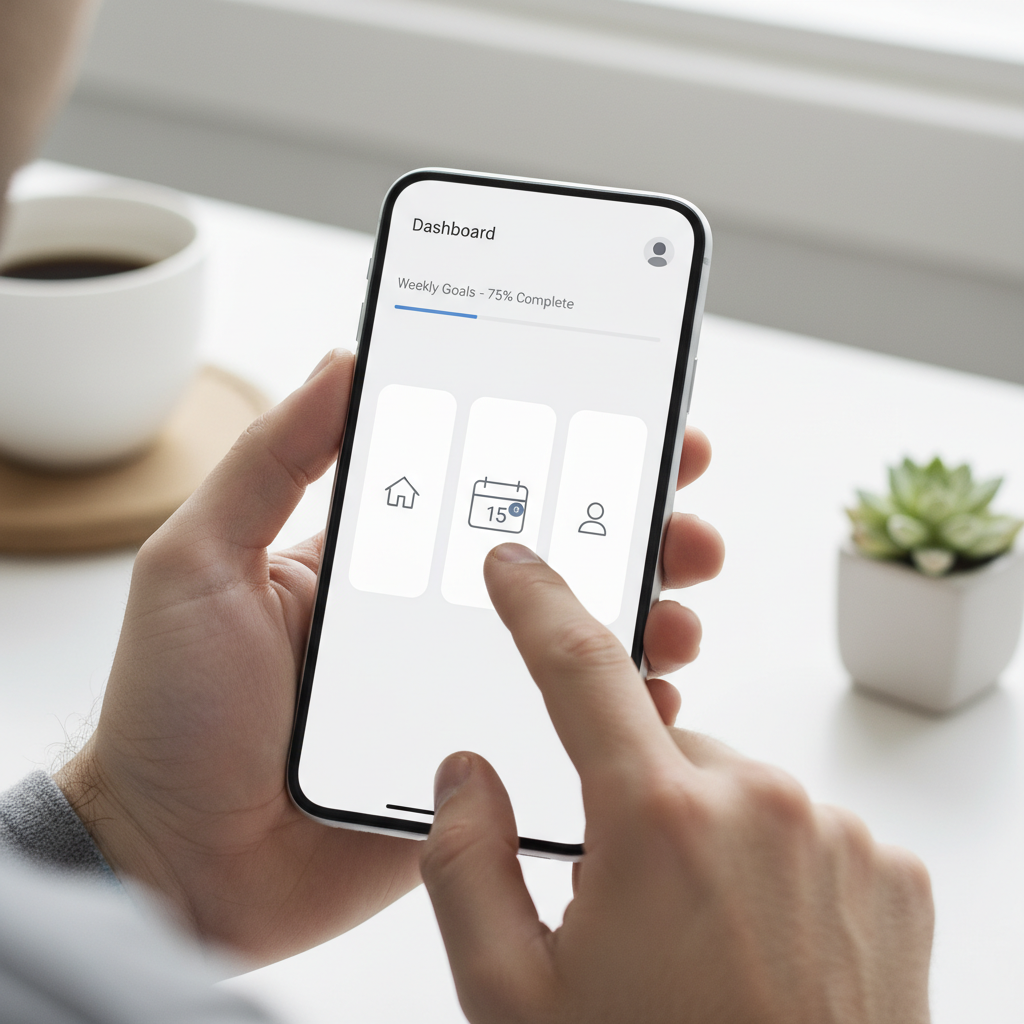
Usability and User Experience
Audience demographics influence design decisions around navigation, functionality, and accessibility. For example:
- Simpler interfaces for older users or those less tech-savvy
- Mobile-optimized layouts for younger audiences who use smartphones primarily
- Fast loading times and intuitive features for users with limited patience or time
Content Structure and Layout
Design also involves organizing content based on what the audience values most. Business professionals might need quick facts and data visualization, while hobbyists may appreciate long-form storytelling and tutorials.
How Target Audience Shapes Content
Language and Tone
The way you communicate with your audience is pivotal in building rapport and loyalty:
- Formal vs. Casual: Professional industries often require formal, polished language, whereas lifestyle brands can be more conversational and informal.
- Technical Jargon: Specialized industries may use technical terms their audience understands; general audiences prefer simpler explanations.
- Emotional Appeal: Content aimed at parents may focus on emotional benefits, while financial investors might prioritize data and logic.
Content Formats
Target audience preferences influence the formats you select to deliver your message effectively:
- Video content for younger, visually-oriented users
- Blogs and articles for information seekers
- Infographics and charts for analytical audiences
- Podcasts for multitaskers and commuters
Messaging and Value Proposition
Your audience’s needs and challenges should shape your core message, highlighting the benefits and solutions that matter most to them.
“Design and content are two sides of the same coin — both must reflect and serve the audience to create meaningful engagement and lasting impressions.”
Steps To Define Your Target Audience Effectively
1. Research and Data Collection
Use tools like surveys, interviews, and analytics to gather insight on your current users and potential markets.
2. Segment Your Audience
Create detailed profiles or personas based on the combined data to represent your ideal customers.
3. Analyze Competitors
See who they target and how they tailor their design and messaging; identify gaps or opportunities.
4. Test and Iterate
Launch with a hypothesis but continuously collect feedback and adjust your approach to better meet your audience’s expectations.
Conclusion
Identifying your target audience is not a one-time task but a foundational and ongoing process that informs both your design and content strategies. A deep understanding of who your audience is ensures that every visual choice, word, and interaction serves a purpose and drives connection. By tailoring your efforts to meet the expectations, preferences, and needs of your audience, your brand will not only attract but also retain loyal customers, gaining a competitive edge in any market.
