What is your approach to UX and conversion-focused design?

What is Your Approach to UX and Conversion-Focused Design?
In the digital age, user experience (UX) and conversion-focused design have become two inseparable components of successful online businesses and platforms. Crafting an intuitive user experience while simultaneously optimizing for higher conversion rates requires a deep understanding of user behavior, psychology, aesthetics, and data analytics.
In this post, we will delve into the best practices, methodologies, and strategies that define an effective approach to UX and conversion-focused design. Whether you’re a UX designer, product manager, or digital marketer, comprehending how these two fields interlink can transform your project outcomes.
Understanding UX Design and Conversion Optimization
User Experience (UX) Design revolves around creating meaningful and relevant experiences for users interacting with a product or service. It involves a combination of factors including usability, accessibility, performance, and emotional engagement. UX professionals aim to make the user’s journey as easy and pleasant as possible.
Conversion-Focused Design aims to maximize the percentage of users who complete a desired action—such as making a purchase, signing up for a newsletter, or requesting a demo. This conversion rate optimization (CRO) targets specific business objectives while maintaining a user-friendly interface.
Essentially, UX ensures that users enjoy the interaction with your digital product, whereas conversion-driven design ensures that this interaction results in successful business outcomes.

Why Integrate UX with Conversion-Focused Design?
Integrating UX with conversion-focused design is not just a good practice—it’s essential for building sustainable digital platforms today. Here are some reasons why this integration is critical:
- Improved User Retention: A smooth, intuitive UX keeps users engaged longer, which increases the chances of conversion.
- Building Trust: A well-designed interface helps build trust and credibility, which is a major factor in customer decision-making.
- Reduced Bounce Rates: Poor UX leads to frustration and rapid exits; optimizing UX decreases bounce and increases conversions.
- Data-Driven Improvements: Monitoring conversion metrics helps UX teams iterate designs more effectively.
- Cost Efficiency: Addressing UX and conversion together can reduce costs in marketing and development with better initial designs.
Key Principles of a Conversion-Focused UX Approach
What are the foundational elements at the intersection of UX and conversion design? Here are several principles to keep in mind:
1. User-Centered Research
Before sketching wireframes or setting up A/B tests, it’s crucial to understand who your users are, what they need, and how they behave on your site or app. This involves:
- Conducting user interviews and surveys.
- Creating personas to represent target users.
- Analyzing user journeys to understand pain points.
- Using behavioral analytics tools to observe user patterns.
2. Clear and Compelling Calls-to-Action (CTAs)
Your CTAs should stand out without overwhelming the user. Effective CTAs help to usher users toward conversion goals naturally:
- Use actionable text (e.g., “Get Started,” “Subscribe Now”).
- Employ contrasting colors and strategic placement.
- Minimize the number of competing CTAs per page.
- Trigger emotions or urgency when appropriate.
3. Simplified Navigation and User Flow
Users should never feel lost. Streamlined navigation structures reduce friction and make it easy for visitors to accomplish tasks:
- Use a clear hierarchy of menu options and content.
- Limit the steps required to complete conversions.
- Use breadcrumbs or progress indicators where relevant.
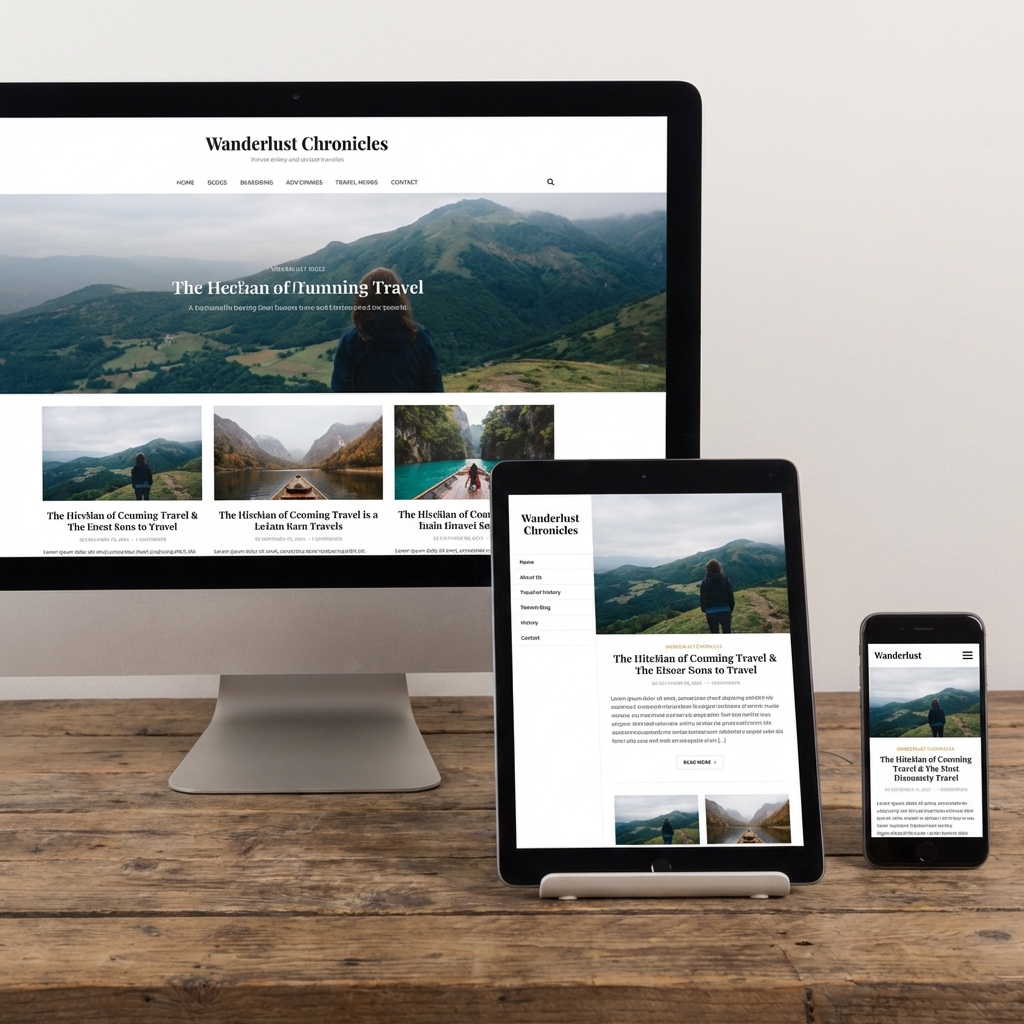
4. Mobile-First and Responsive Design
With mobile users making up the majority of web traffic, optimizing for mobile devices is a must for enhancing both UX and conversions. This includes:
- Fast load times and optimized images.
- Touch-friendly buttons and inputs.
- Adaptive layouts that work on all device sizes.
5. Trust Signals and Social Proof
Incorporate elements that boost user confidence like:
- Customer testimonials and reviews.
- Trust badges and certifications.
- Clear privacy policies and secure payment options.
Strategies for Merging UX and Conversion Goals
It’s not sufficient just to know the principles—you need actionable strategies that bring UX and conversion design together effectively.
Implementing A/B Testing and Analytics
Data is at the heart of conversion optimization. Run tests to compare different design elements such as headlines, images, CTA placements, or color schemes. This evidence-based approach helps hone UX for maximum conversions.
Prioritizing Speed and Performance
Pages that load quickly reduce user frustration and abandonment. Optimize your site’s backend and frontend performance to keep bounce rates low.
Focus on Accessibility
Designing for accessibility not only broadens your user base but also complies with legal standards. Accessible sites often provide a better overall experience that encourages conversions.
Streamlined Checkout or Signup Processes
Reduce form fields, add progress bars, allow autofill options, and remove unnecessary distractions during funnel steps so that users can convert with ease.
Common Mistakes to Avoid
Even experienced designers can fall into traps that impair conversion-focused UX. Watch out for:
- Overloading Pages: Too much information or too many CTAs can confuse users.
- Ignoring User Feedback: UX improvements must be iterative and user-informed.
- Neglecting Mobile Users: Desktop-only designs alienate the majority of visitors.
- Inconsistent Branding: Mismatch undermines trust and recognition.
- Failure to Test: Changes without data validation can decrease conversions.
Expert Insight
“Conversion-focused UX design is a balance between empathy and analytics — understanding user intent deeply while rigorously validating design choices through data. When done right, it creates seamless experiences that naturally guide users to take meaningful actions.” – UX Expert Jane Doe
Conclusion
A successful approach to UX and conversion-focused design considers the full spectrum of user needs and business goals. It harmonizes aesthetics with functionality and decision-making with delight. By adopting user-centered methodologies, making data-driven decisions, and prioritizing accessibility and performance, designers can create digital experiences that drive engagement and maximize conversions.
The future of web and app design lies in this synergy—where user happiness and business success are not competing interests but rather two sides of the same coin.