
What is Your Process for Designing and Testing Custom AI Workflows?
In the rapidly evolving landscape of artificial intelligence, designing and testing custom AI workflows has become a critical task for businesses and developers aiming to harness the power of AI effectively. Custom AI workflows facilitate automation, improve decision-making, and streamline complex processes by integrating various AI models and components tailored to specific needs. But what exactly goes into crafting these workflows? This post delves deeply into the methodologies, best practices, and testing phases crucial for developing robust custom AI workflows.
Understanding AI Workflows: An Introduction
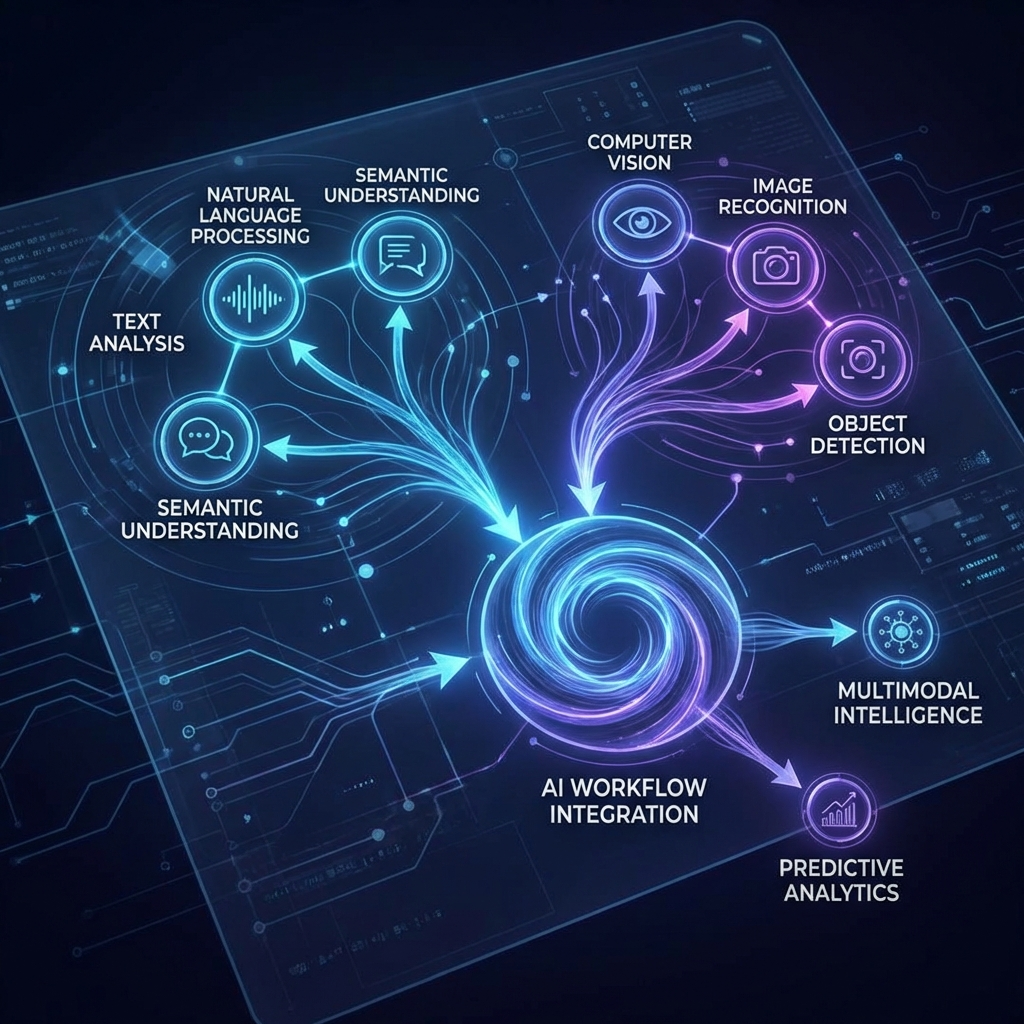
Before exploring the design and testing process, it’s important to define what an AI workflow entails. An AI workflow is a sequence of steps that combine data input, processing via AI models, decision logic, and output actions. These workflows often consist of multiple AI services such as natural language processing, computer vision, recommendation engines, and machine learning models connected in a logical structure to perform complex tasks automatically.
Each AI workflow is tailor-made to match specific business goals or solve particular problems, such as automating customer service responses, predictive maintenance, fraud detection, or supply chain optimization.
Step 1: Define Clear Objectives and Requirements
Designing an AI workflow begins with a deep understanding of the problem to be solved. This involves gathering requirements from stakeholders, clarifying goals, identifying inputs and desired outputs, and considering constraints such as data availability, latency requirements, and compliance standards.
- Identify the business challenge: What is the workflow intended to solve or improve?
- Determine data sources: What data do you have access to? How clean and reliable is it?
- Set performance objectives: What metrics will define success for the AI workflow?
- Compliance & Security considerations: Does your AI system need to adhere to industry regulations or protect user privacy?
Example Objectives:
- Reduce customer service response time by 50% using AI-assisted chatbots.
- Detect fraudulent transactions with 98% accuracy in real-time.
- Automate defect detection in manufacturing using computer vision with minimal false positives.
Step 2: Design the AI Workflow Architecture
The architecture of an AI workflow describes how data will flow through the system, the sequence of AI models or algorithms applied, and the interaction between different components. Effective design helps ensure scalability, maintainability, and efficiency.
Key considerations in workflow design:
- Modularity: Break the workflow into interchangeable components (e.g., data preprocessing, model inference, post-processing).
- Data pipeline: Define how data is ingested, transformed, and transferred between steps.
- Integration: Plan for integration with existing systems like databases, APIs, or user interfaces.
- Error handling and fallback mechanisms: Ensure reliability by planning what happens when steps fail or produce unexpected results.
- Resource management: Consider computing resource requirements and optimize for efficiency.
Many teams leverage visual workflow or pipeline tools such as Apache Airflow, Kubeflow, or TensorFlow Extended (TFX) to design and orchestrate workflows.
Step 3: Select and Develop AI Models and Algorithms
Choosing the right mix of AI models is essential to fulfilling your workflow’s objectives. This may involve:
- Training custom machine learning models tailored to your unique data and problem.
- Utilizing pre-trained models and adapting them via transfer learning.
- Incorporating rule-based or heuristic components where necessary.
During this phase, model experimentation and iteration are crucial. Data scientists run rigorous experiments adjusting hyperparameters, architectures, and training techniques to optimize performance.

Step 4: Implement the Workflow and Integrate Components
Once the design and modeling stages are finalized, implementation begins. This involves coding, using AI frameworks, containerizing components, and connecting them via APIs or data orchestration tools. Testing integration at this stage ensures components communicate and operate as intended.
Step 5: Testing Custom AI Workflows
Testing is a multi-dimensional process that goes beyond verifying individual AI models to evaluating the entire workflow holistically. This phase is critical to ensure the workflow performs well in real-world conditions and meets defined objectives.
Types of Testing for AI Workflows:
- Unit Testing: Verifies individual components (e.g., model inference code, data transformations) work correctly.
- Integration Testing: Ensures components work together seamlessly within the workflow pipeline.
- Performance Testing: Measures metrics like latency, throughput, and resource use to validate system efficiency.
- Validation Testing: Compares workflow output against ground truth or labeled data to assess AI prediction accuracy.
- Robustness Testing: Tests how the workflow handles noisy, incomplete, or adversarial data inputs.
- User Acceptance Testing (UAT): Engages end-users to validate the workflow satisfies business needs.
Monitoring and Continuous Evaluation
After deployment, continuous monitoring is essential to detect model drift, performance degradation, or system failures. Metrics should be collected and analyzed, with mechanisms to trigger retraining, rollback, or alerting.
“The development of an AI workflow is an iterative process. Testing not only validates but also informs improvements that enhance performance and reliability over time.” – AI Workflow Specialist
Best Practices for Designing and Testing AI Workflows
- Collaborate cross-functionally: Involve data scientists, engineers, domain experts, and end users early and often.
- Start small, iterate fast: Prototype quickly with manageable data subsets and increase complexity incrementally.
- Document extensively: Keep detailed records of design decisions, model parameters, and test results.
- Automate testing and deployment: Use CI/CD pipelines to streamline integration and delivery.
- Prepare for ethical considerations: Implement fairness checks, transparency tools, and privacy safeguards.
Conclusion
Designing and testing custom AI workflows is a comprehensive process that combines clear goal definition, thoughtful architectural design, adept modeling, rigorous testing, and ongoing monitoring. By approaching it methodically, organizations can unlock significant value from AI initiatives, creating solutions that are both powerful and reliable.
Whether building a customer-facing chatbot or an industrial predictive maintenance system, adapting these best practices ensures your AI workflows meet business requirements, scale with evolving needs, and maintain high standards of quality.
