

Can AI Systems Scale as My Usage and Traffic Grows?
As artificial intelligence technologies become increasingly integrated into various business operations, a common concern arises: can AI systems scale effectively as my usage and traffic grows? Addressing scalability is crucial in ensuring that AI-driven solutions remain performant and cost-effective, even when workloads increase dramatically. In this article, we will explore the core aspects of AI system scalability, challenges faced, and best practices to design AI architectures that can grow alongside your business demands.
Understanding AI System Scalability
In the context of AI, scalability refers to an AI system’s ability to maintain or improve its performance when subjected to an increasing amount of work, such as higher user traffic, larger datasets, or more complex tasks. Scaling AI solutions can involve:
- Handling more simultaneous requests and data inputs
- Training models faster or on larger datasets
- Deploying models efficiently across multiple environments
- Maintaining accuracy and responsiveness under load
Effective scalability ensures that as a business grows or usage patterns evolve, the AI system continues to support critical functionality without unacceptable delays or breakdowns.

Challenges in Scaling AI Systems
Scaling AI is often more complex than scaling traditional software due to multiple unique factors:
1. Data Volume and Velocity
AI systems, especially those based on machine learning, require large amounts of data. As user traffic increases, the volume and velocity of data grow as well. Managing, cleaning, and feeding this data efficiently is a major bottleneck. Moreover, streaming data in real-time for models requires robust data pipelines.
2. Model Complexity and Computation
State-of-the-art AI models (e.g., deep neural networks) are computationally intensive both in training and inference. Scaling such systems means having sufficient compute resources and optimized architectures to process requests quickly without excessive cost.
3. Infrastructure and Latency Constraints
AI systems must balance between cloud and edge deployments to reduce latency and avoid bottlenecks. Poor infrastructure design can lead to slow responses under heavy load, impacting user experience.
4. Resource Management and Cost
High-performance AI infrastructure is expensive. Scaling without careful resource management risks skyrocketing costs. Dynamic scaling techniques and resource allocation must be employed thoughtfully.
Key Strategies for Scaling AI Systems
To build AI solutions that can grow with your needs, consider the following strategies:
1. Modular System Architecture
Design AI systems following modular principles where components such as data ingestion, model training, inference, and monitoring are decoupled. This allows independent scaling of each module.
2. Use of Distributed Computing
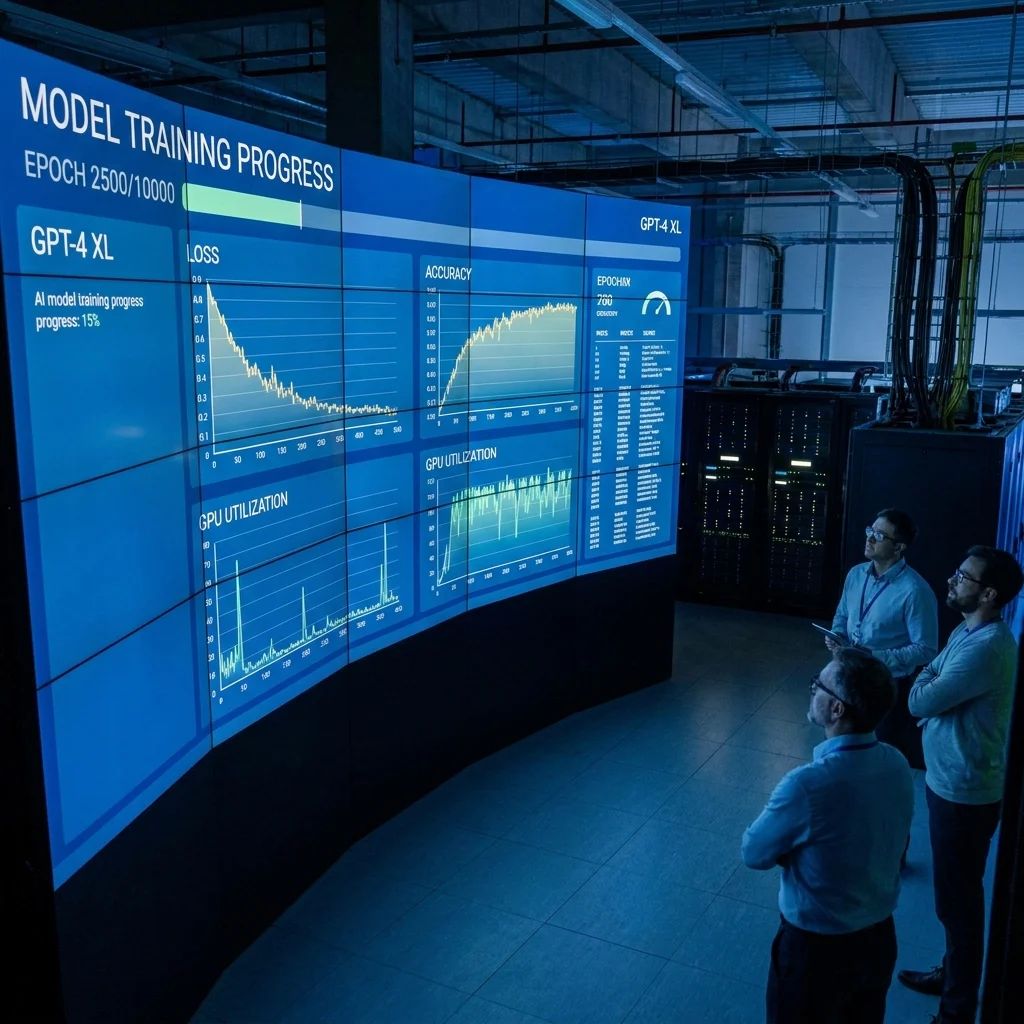
Distributed systems enable parallel processing of data and training of models on clusters of GPUs or TPUs, drastically reducing the time to train large models on expanding datasets.
3. Autoscaling on Cloud Platforms
Leverage cloud providers’ autoscaling features to dynamically allocate computing resources based on traffic demands, ensuring that workloads are handled efficiently without overprovisioning.
4. Model Optimization and Compression
Techniques like quantization, pruning, and knowledge distillation reduce model size and computational requirements, facilitating faster inference and easier scalability on limited hardware.
5. Use of Edge AI
Offloading inference to edge devices mitigates latency and reduces central server load, allowing for scalable deployments especially relevant for IoT and mobile applications.
Technical Approaches to Enhance Scaling
Efficient Data Pipelines
Building data pipelines that can scale horizontally is essential. Technologies such as Apache Kafka, Apache Spark, and Kubernetes-based orchestration support high-throughput, fault-tolerant data processing that feeds AI models without delay.
Parallel and Incremental Training
- Distributed Training: Splitting large training tasks across multiple machines or processors.
- Incremental Learning: Updating AI models with new data in small batches rather than retraining from scratch.
Model Serving Frameworks
Adopting specialized model serving frameworks like TensorFlow Serving, TorchServe, or NVIDIA Triton helps scale real-time model inference with less latency and better resource utilization.
Real World Examples of Scalable AI
Many tech giants have demonstrated scalable AI deployments in practice:
- Google: Scales its search and assistant AI systems globally using cloud infrastructure with autoscaling and distributed training.
- Amazon: Enables AI-driven recommendations at massive user scale using streaming data pipelines and edge inference on Alexa devices.
- Netflix: Handles personalized content recommendations using distributed model training and real-time scalable model serving.
“The ability to scale AI systems is not just about technology—it’s about designing architectures that anticipate growth and adapt automatically to evolving data and user demands.” – AI Systems Architect
Conclusion
Scaling AI systems effectively is a multifaceted challenge involving data management, infrastructure, and model optimization. With careful planning, modular design, and modern cloud-native technologies, AI can scale gracefully as your usage and traffic grow. Organizations that invest in scalable AI foundations are better positioned to leverage AI’s full potential for innovation and competitive advantage over the long term.
If you are considering deploying or expanding AI in your business, emphasize scalable architecture design from the outset to keep performance high and costs manageable as demands rise.
