

Can You Coordinate Social Media with My Other Marketing Campaigns?
In today’s digital-first world, businesses have a multitude of marketing channels at their disposal. From traditional print ads to email marketing and, of course, social media platforms, companies often find themselves juggling various strategies to reach their target audience. But a crucial question arises: can you coordinate social media with your other marketing campaigns effectively? The answer is not only yes, but doing so can significantly enhance the overall impact and ROI of your marketing efforts.
Why Coordination Between Social Media and Other Marketing Campaigns Matters
Marketing channels do not exist in isolation. Each channel influences customer behavior and brand perception differently. When these channels communicate and support each other, companies can create a seamless and powerful brand message that drives engagement, awareness, and conversions.
Coordinating social media with other campaigns can:
- Enhance brand consistency: Deliver the same brand voice, visuals, and messaging across channels.
- Increase reach: Amplify campaigns by exposing audiences to the message through multiple touchpoints.
- Drive engagement: Encourage interaction and deepen customer relationships through tailored social media activities linked to other campaigns.
- Improve measurement: Gain better insights into campaign effectiveness by monitoring how social media impacts other channel results.
- Optimize budget: Allocate marketing resources smartly by coordinating spend across overlapping channels for maximum leverage.
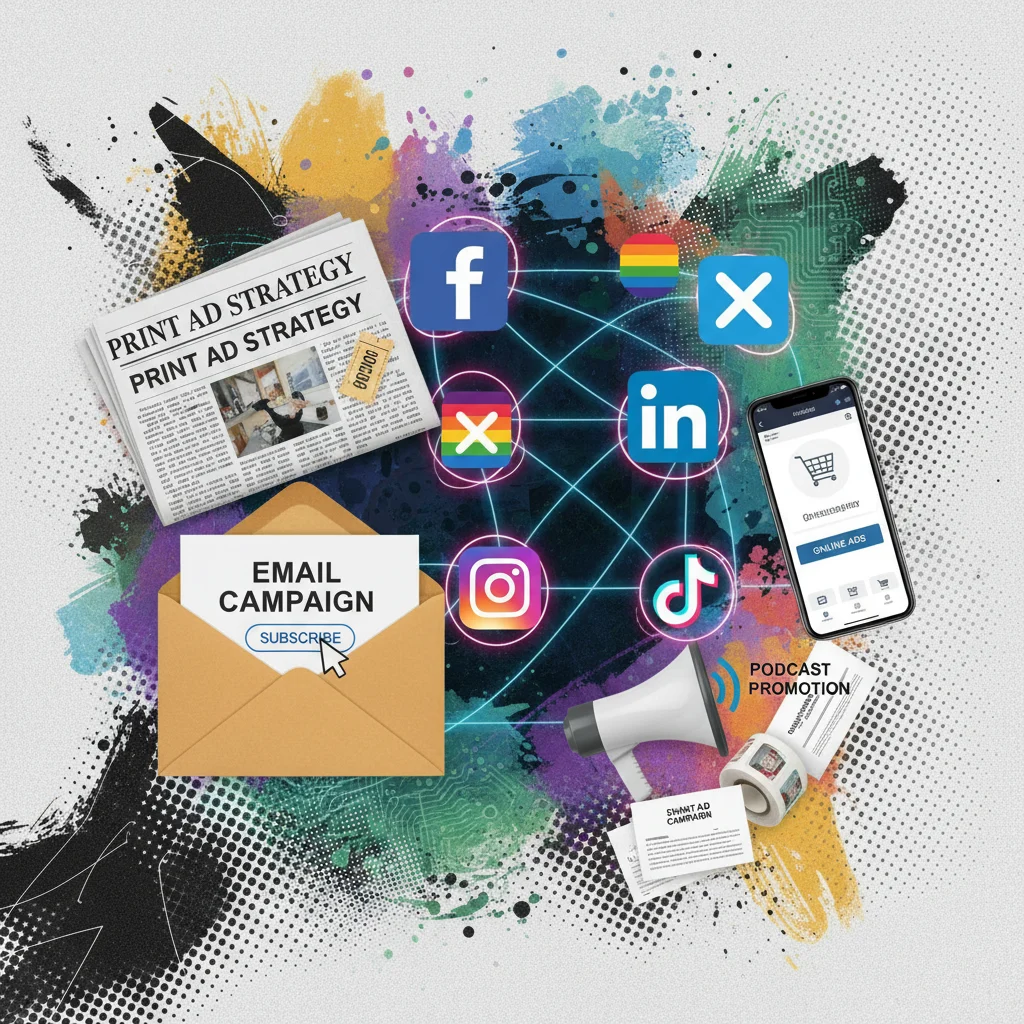
Common Marketing Channels to Coordinate with Social Media
Before diving into how to coordinate, it’s helpful to understand which marketing efforts often intersect with social media:
- Email marketing: Newsletters, promotional emails, and drip campaigns frequently tie into social media promotions and engagement.
- Content marketing: Blogs, articles, infographics, and videos can be promoted and extended socially.
- Paid advertising: Cross-platform ads, retargeting, and branded content can leverage data and messaging alignment.
- Events and webinars: Social media serves as a key channel to build excitement or provide follow-up engagement.
- Public relations: Social media can amplify PR announcements and help manage brand reputation in real time.
- Sales promotions: Coordinating discounts or launch campaigns between social media and offline efforts can trigger more action.
Understanding the Integration Points
The magic happens when social media doesn’t just run parallel to other efforts but becomes a strategic partner:
- Unified Messaging: Ensure taglines, offers, and calls to action remain consistent across emails, ads, and social posts.
- Timely Synchronization: Release dates, event times, and promotional windows should align to avoid confusing customers.
- Audience Segmentation: Use insights gathered from social media behavior to fine-tune targeting in email campaigns or paid ads.
- Feedback Loop: Social media comments and reactions offer real-time feedback that can inform adjustments across other channels.
Strategies to Effectively Coordinate Social Media with Other Campaigns
Coordinating social media efforts requires a well-thought-out strategy, seamless collaboration, and the proper tools. Here are practical strategies to help you get started:
1. Develop a Centralized Marketing Calendar
Having a shared calendar where all campaign dates, themes, and tactical executions are recorded ensures that social media posts and advertising align with offline marketing activities or email blasts.
2. Create Cross-Channel Content Plans
Think holistically about the content your audience consumes. For example, a blog post can be teased through social media snippets, expanded upon in an email newsletter, and referenced in a webinar. This multiplies value without reinventing the wheel for each channel.
3. Collaborate Across Teams
Marketing, PR, social media, and sales teams should meet regularly to discuss upcoming campaigns, KPIs, and customer insights. Collaboration tools such as Slack, Asana, or Trello can facilitate this process efficiently.
4. Utilize Technology and Marketing Automation
Marketing automation platforms allow you to integrate social media scheduling with email sequences and paid ads, reducing manual work and ensuring timing consistency.

5. Monitor and Adjust with Analytics
Analyze performance data regularly not only within each channel but in aggregate to measure how social media engagements influence conversions in other marketing efforts.
Challenges to Overcome When Coordinating Social Media with Other Campaigns
While coordination sounds ideal, some common challenges arise:
- Differences in pacing: Social media moves fast, whereas print or email campaigns may have slower timelines.
- Varying team structures: Different departments managing channels can create silos.
- Resource allocation: Balancing budgets and staffing between social media and other mediums can be complex.
- Maintaining consistent brand voice: Each channel demands a slightly different style or format yet should reflect the same corporate identity.
Best Practices for Success
Leading marketers recommend the following approaches to ensure smooth coordination:
- Set clear objectives: Define what each channel should achieve individually and collectively.
- Document standards: Maintain brand guidelines and messaging documents accessible to all teams.
- Regular communication: Schedule weekly or bi-weekly cross-team meetings to align priorities.
- Test and learn: Continuously experiment with coordination tactics and learn from real outcomes.
“Integrated marketing is no longer a luxury—it’s a necessity. Businesses that successfully blend their social media with broader campaigns gain a competitive edge by delivering customers a consistent, compelling brand experience.”
The Bottom Line
Coordinating social media with your other marketing campaigns is not just possible—it’s essential in building a unified brand presence, maximizing your reach, and improving your marketing ROI. With careful planning, collaboration, and the right tools, your social media efforts can amplify and support every initiative you run.
Ultimately, the more interconnected your marketing channels are, the stronger your message, and the deeper your impact on customers.
